Well I can assure you both goals where totally satisfied. I’ve met a bunch of nice smiling and happy persons and learned a lot at the same time.
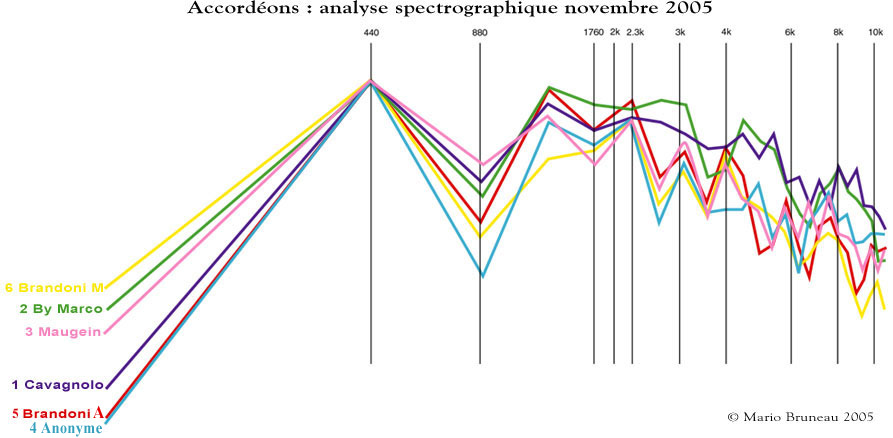
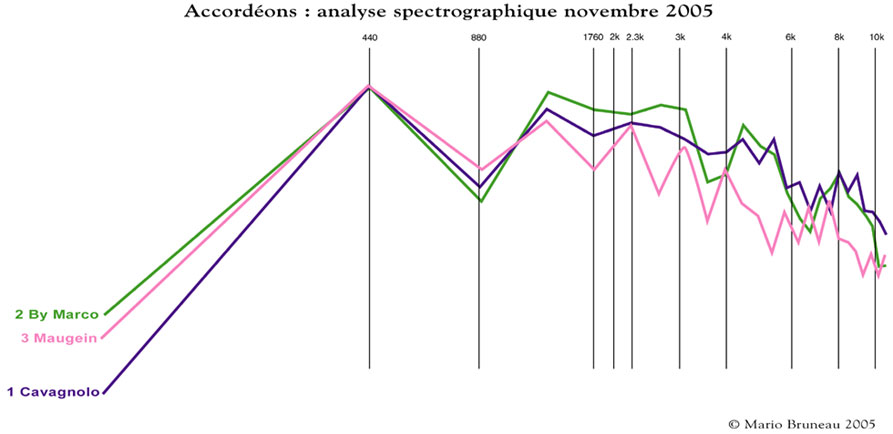
Since I play mostly musette style and that it is understood that it’s very difficult if not impossible to imitate the bright sound of the typical French musette chromatic button accordion (CBA) with a piano accordion (PA), I was thus looking for a piano accordion that could get closest to the CBA musette sound. So I took several sound samples of the accordions that I tried.
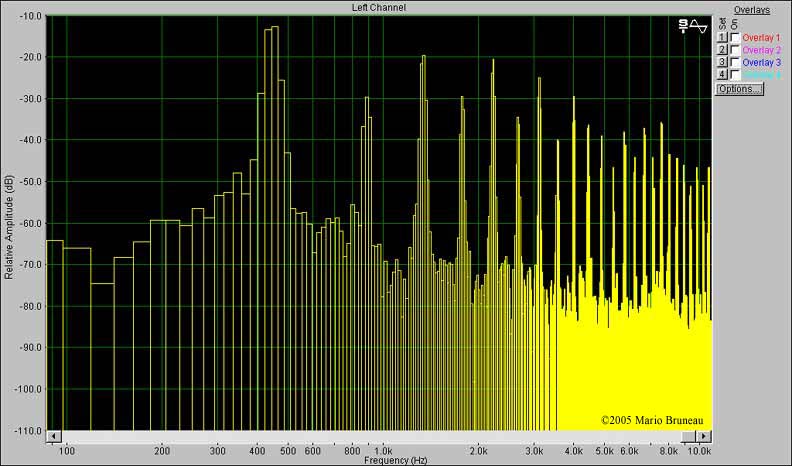
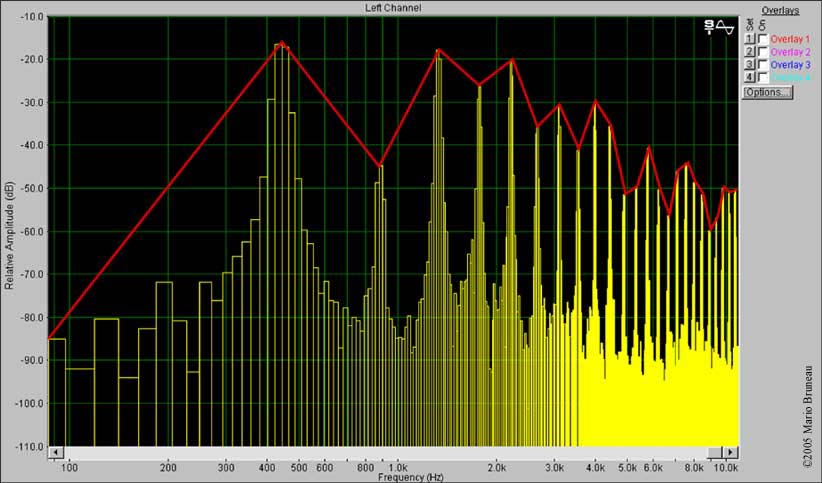
I wanted to find out about the harmonic content of different piano accordions’ single clarinet reed since the more harmonic a single reed has, the best it will be for reproducing a musette sound. The musette sound is produced with a minimum of two clarinet reeds tuned with a slight difference. This results in a richer sound with added harmonics but if one starts with richer or brighter single reeds, it is obvious the sound will be even richer with two coupled out-of-tune reeds.
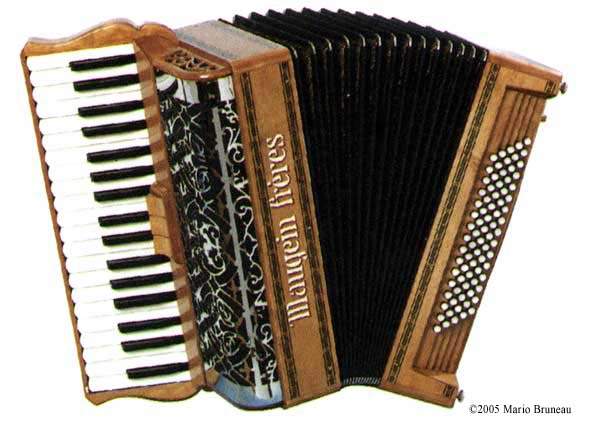
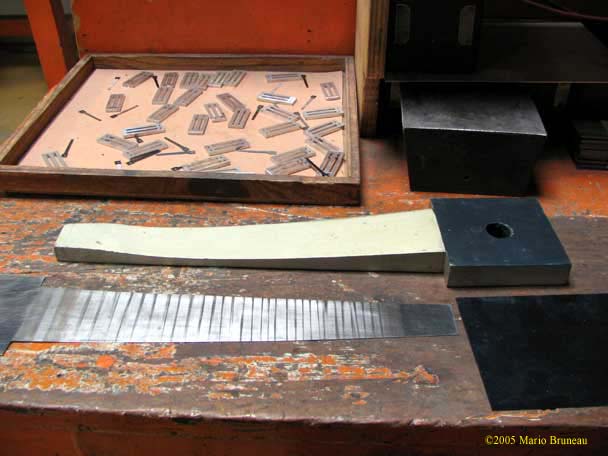
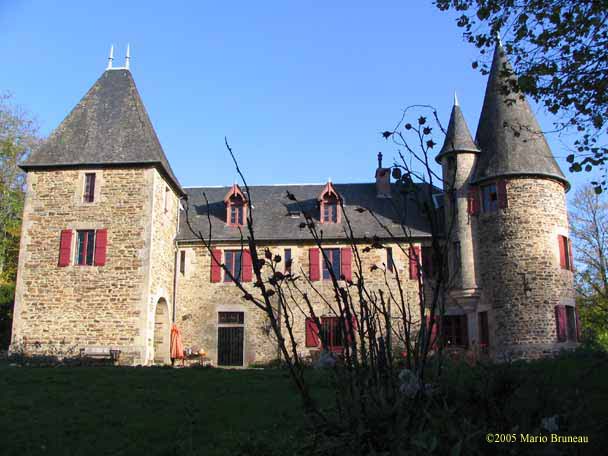
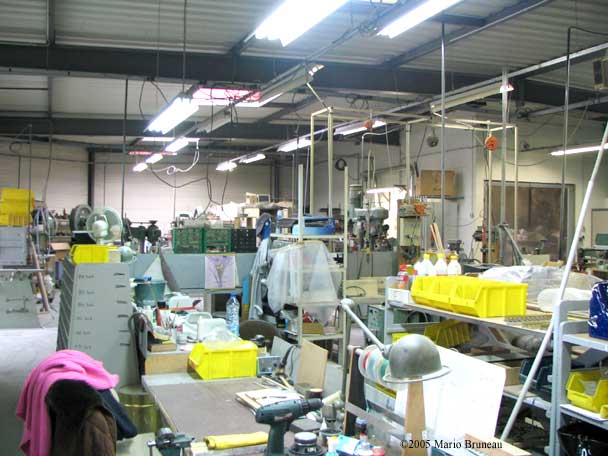
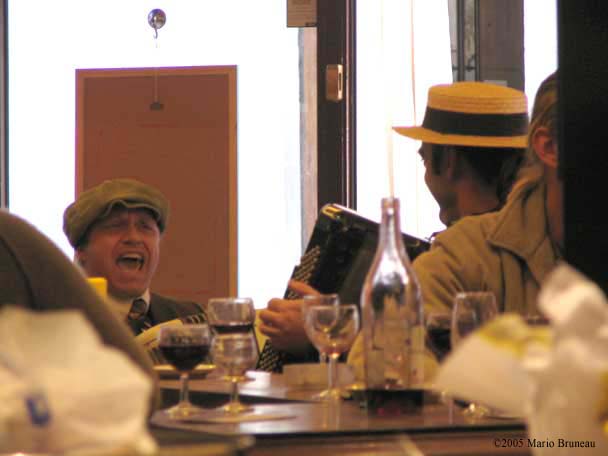
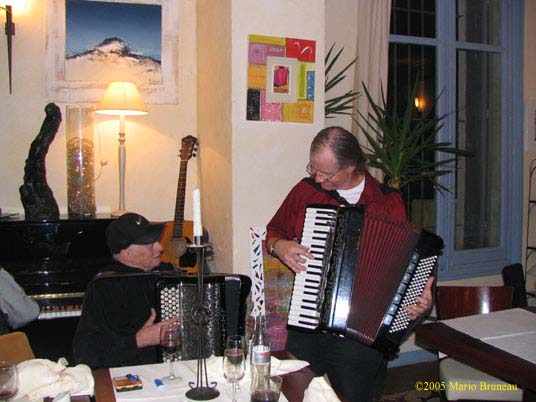
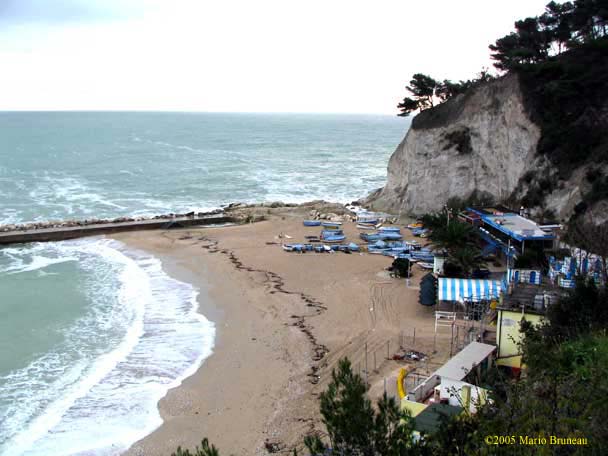
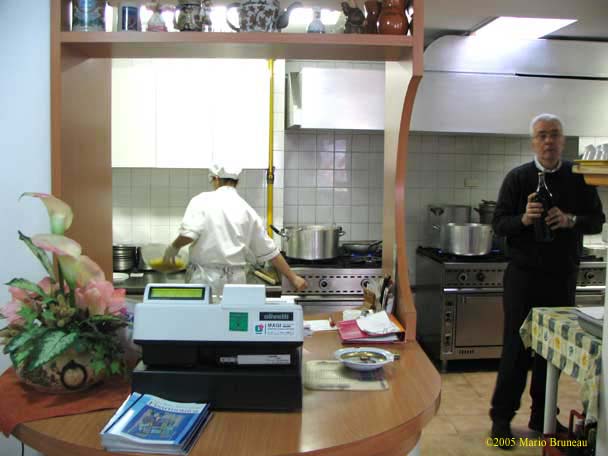
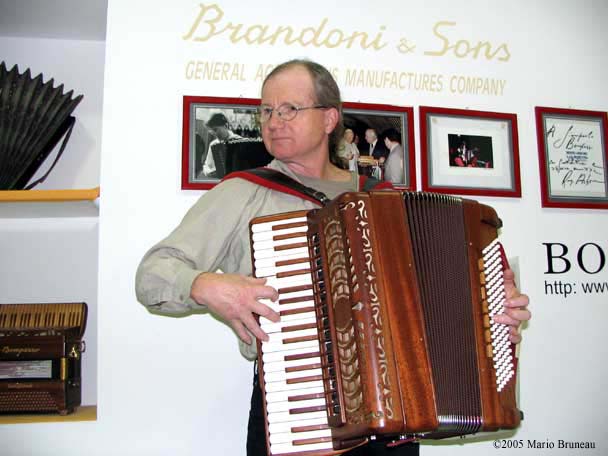

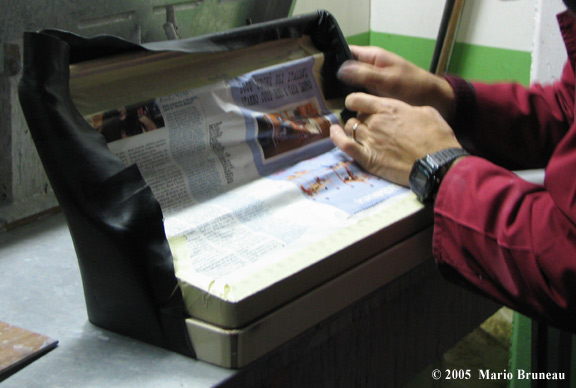


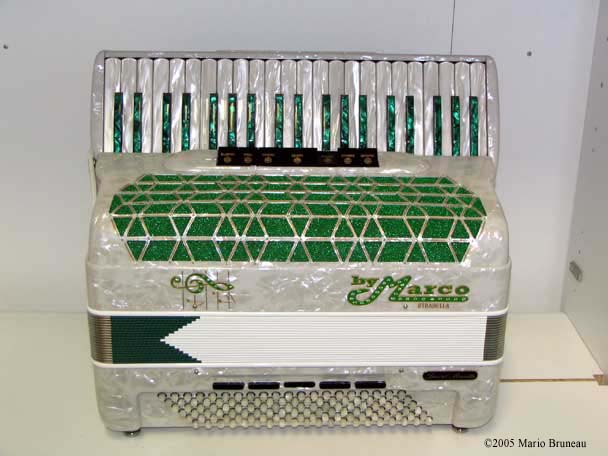
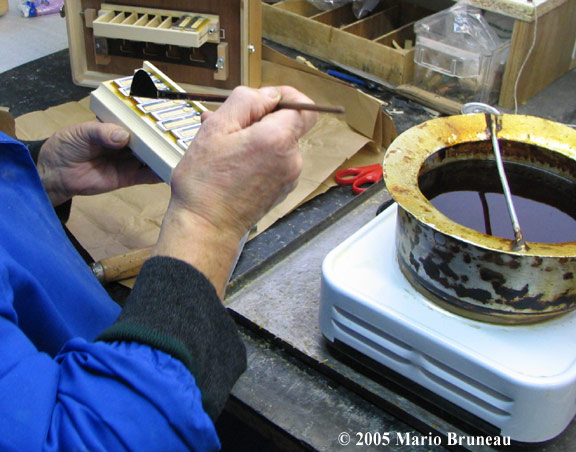
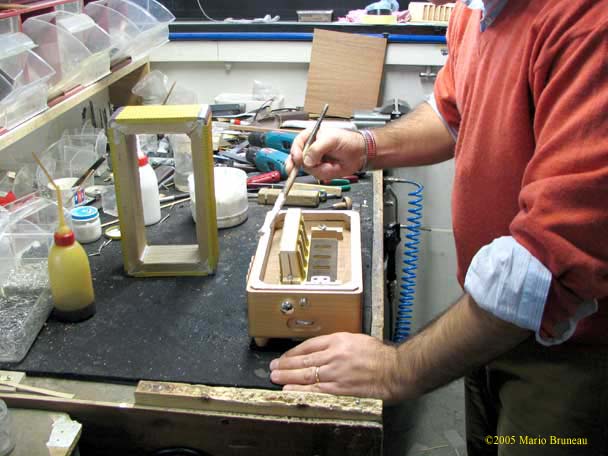


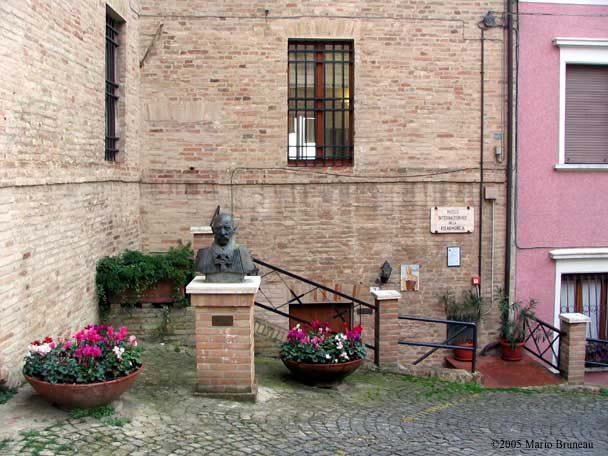
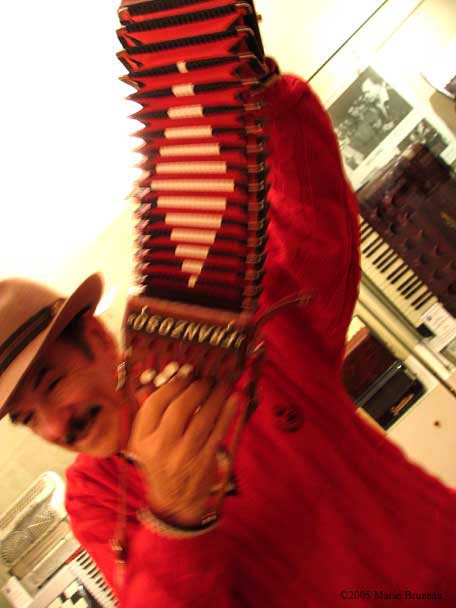
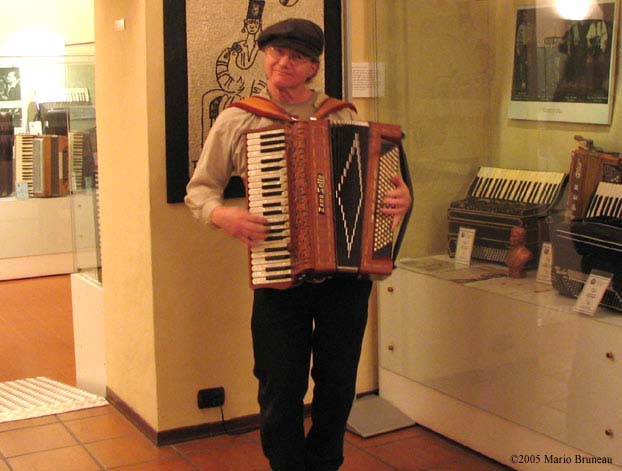
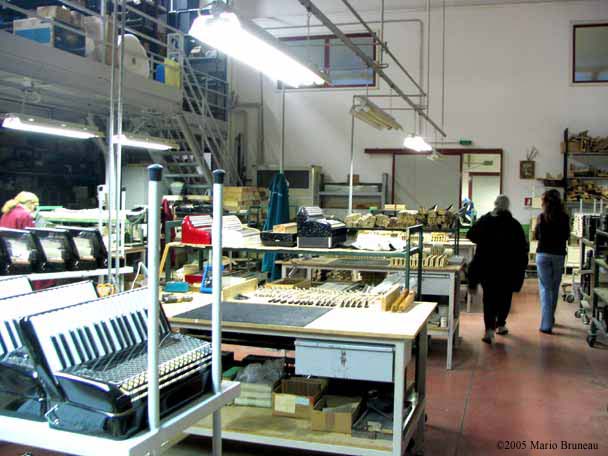
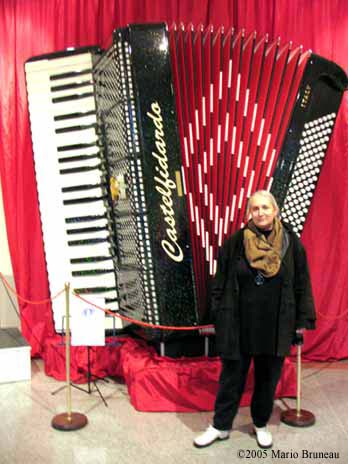
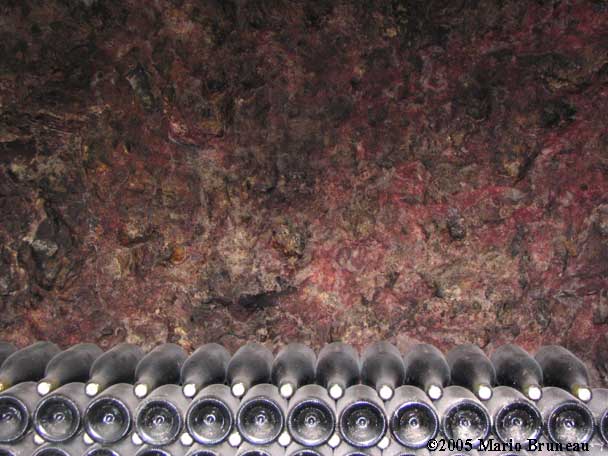
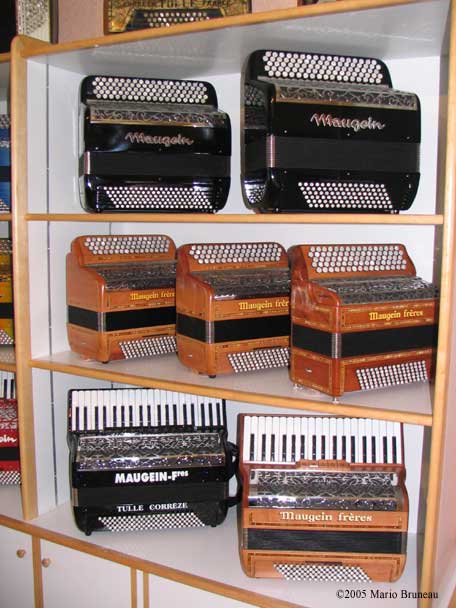
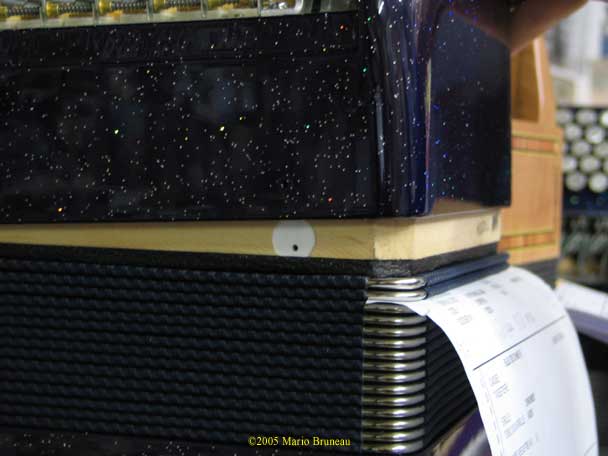
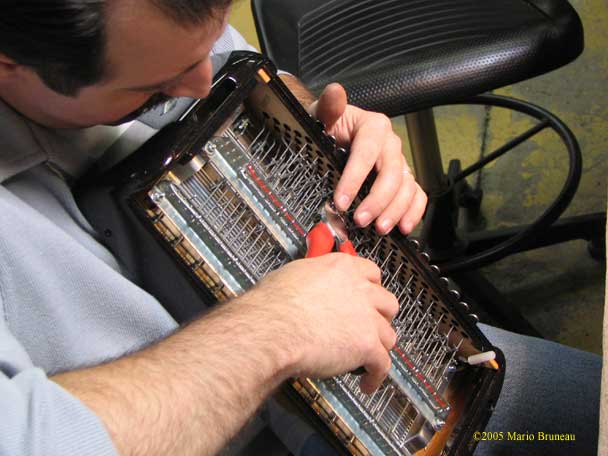
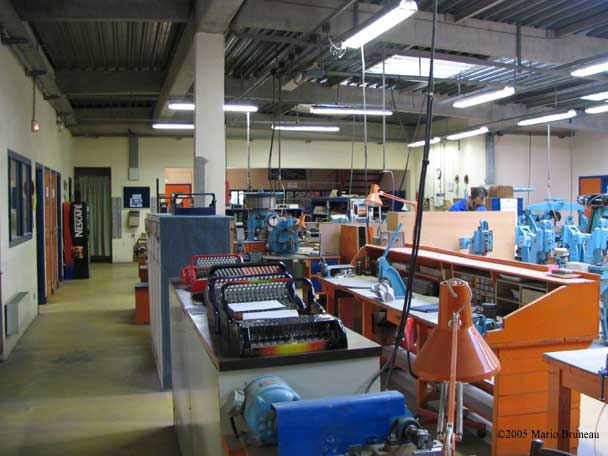
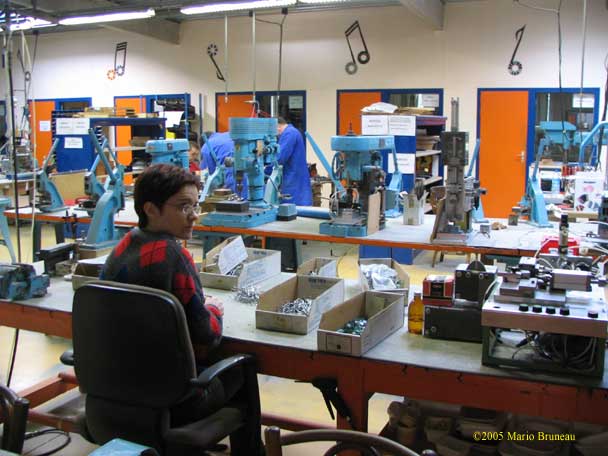
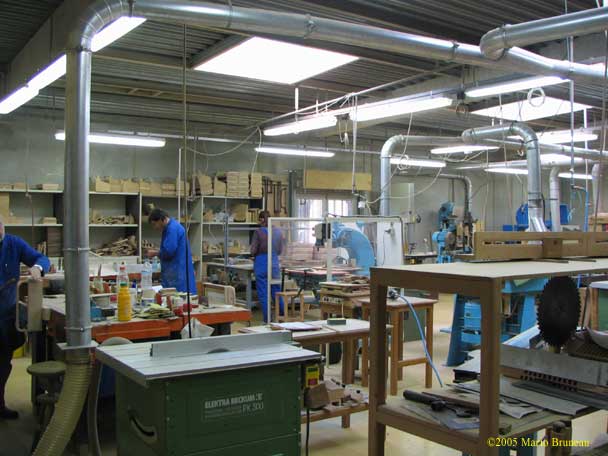
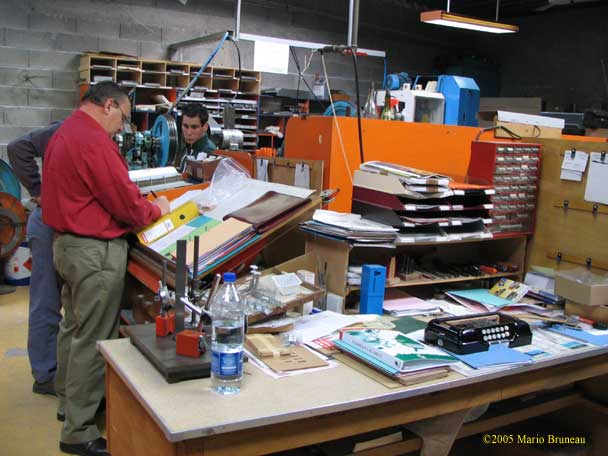
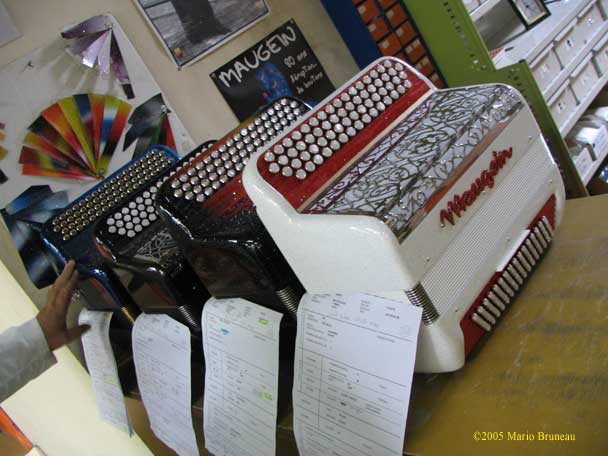

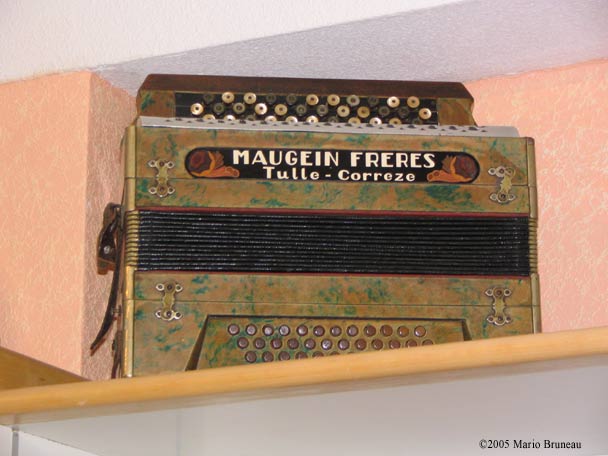
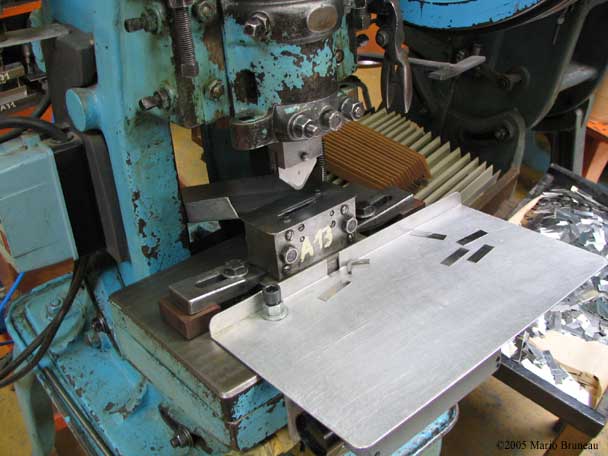
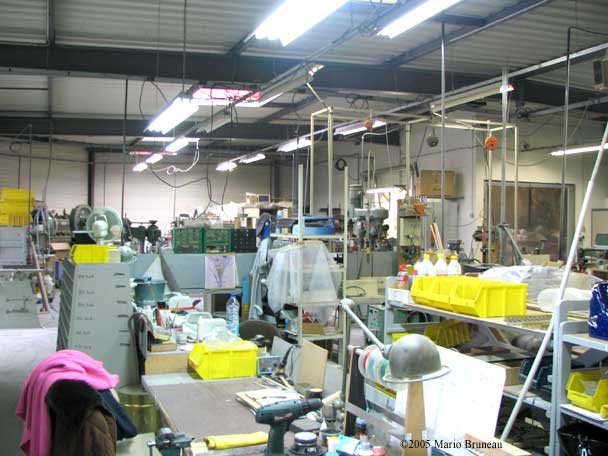
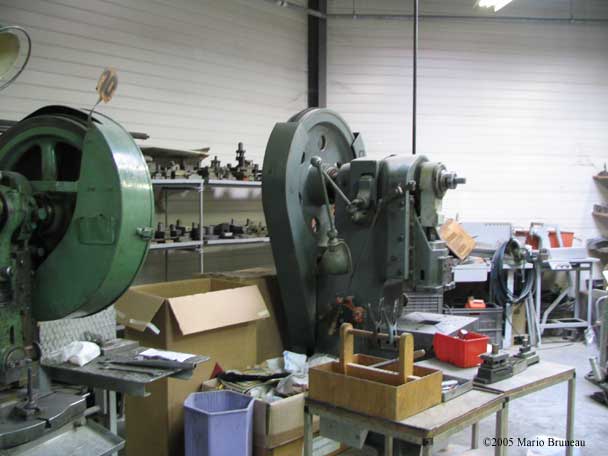
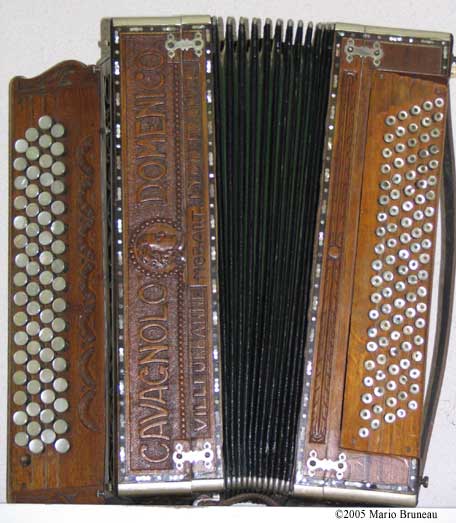
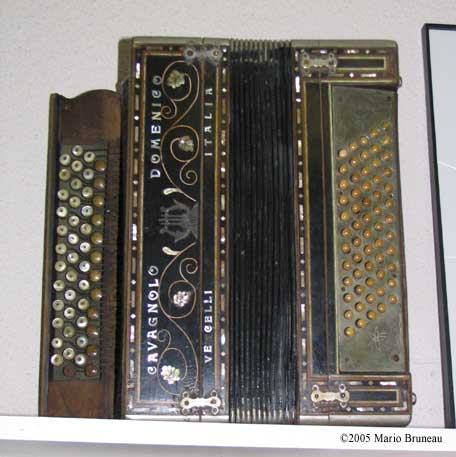
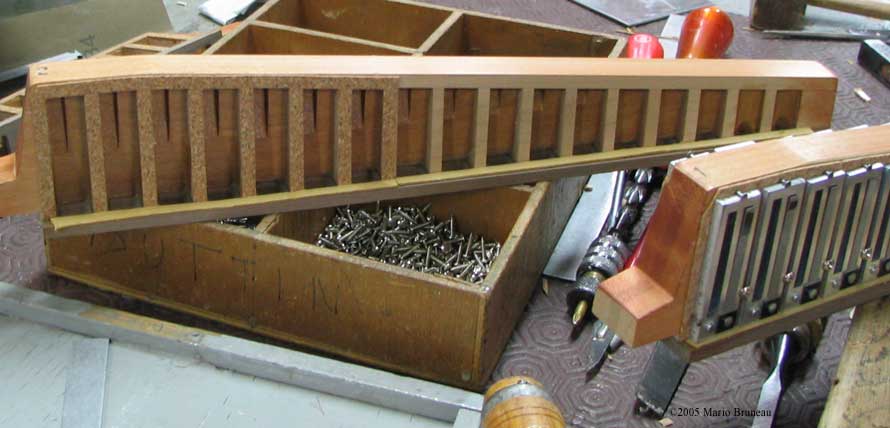

[…] To learn more about Castelfidardo, go to my Castelfidardo page at https://en.mariobruneau.com/castelfidardo […]
[…] To learn more about Castelfidardo, go to my Castelfidardo page at https://en.mariobruneau.com/castelfidardo […]
Hello
how are you
I am a lover. Love learning accordion
I get a lot of your site and I’ll buy one day from your accordion
We are limited in Iran because of the ruthless leader of Iran
Kill us with the name of Islam
I earn $ 80 a month. I work . I hate unemployment
I’m disabled and I’m sitting on a wheelchair. And I live hard
My mother died a few years ago for stomach cancer.
And I’m always upset because of that. I wish that I had an accordion day. And go to cancer patients, and I’ll give them an accordion
If I work 3 years and earn $ 80 per month. After three months I’ll be successful in buying the Accordion. But it’s a pity that there are too many costs
I always showcase the shop in the market. I see the second accordion with your company logo
I follow your site
This is my heart. I do not need humans
Want to be able (Iranian proverb)
989114279947
My name is Shahram Mehrbakhsh
Hi, I was lucky enough to buy a boxed piano accordion at my local charity shop, it is a Castrelfidardo Estrella and red in colour .I am so pleased with it and was wondering how old it might be. I paid £35 pounds for it, case is a bit tatty but the accordion looks lovely.
Hi Marie,
You accordion must be pretty old for I don’t find any pictures of recent accordions on Google bearing the Estrella make.
These kind of accordions are very “decorative” because they have a lot of retro decorations.
Maybe somebody in your area can tune it a little.
Good luck and thanks for passing by my Castelfidardo page.
Mario
Hello Mario, I would like to buy a petosa accordion from the petosa factory in Castelfidardo, I wonder about all the expenses involved.
what airport would I fly into? is their a place to stay that has a reasonable price. If you would be so kind as to show me a
frame work a kind of guide as to what to expect I would be very encouraged. Sincerely Anthony Iannetta
at the moment for the next two weeks, Im in Pascani Romania. It would not be a major effort to fly to Italy.
But I would prefer not to go blind. Thank you.
Hi Anthony,
A trip to Castelfidardo is a good idea.
There are cheaper Hotels downtown Castelfidardo but they are not so nice as the ones you’ll find in Sirolo 20Km from Castelfidardo. Sirolo is next to Adriatic Sea and it is so nice there.
Hotel Monte Conero is very nice:
Hotel Sirolo is nice and downtown Sirolo:
But I think the price differences are not that big compared to hotel in downtown Castelfidardo.
Can not guide you with airport since I always go to Castelfidardo driving by car from France.
The food is good and should not be too expensive. If you have a kind of little kitchen in your hotel room, you can just buy food and take your meals in hotel room to cut expenses.
I wish you a good trip to Castelfidardo.
regards
Mario Bruneau
Hi Mario,
I’ve been studying music since I was a child but I’m a beginner when we’re talking about accordion. I’m looking for a better instrument but in Brazil the accordions are very old and expensive and we don’t have any guarantee about the real quality of the instruments, so I can’t effort to buy instruments in a high price. I’d love to buy a real italy accordion, 120 bass, in a fair price, I meaning, I know that I’m a beginner and I don’t need the best instrument ever now, but I’d love to have an instrument almost new, not too old, in tune, in a condition to keep my improvement in playing this beautiful instrument that I’m totally into. Could you tell me if I can buy accordions in both good price and conditions, maybe less than 1.500 euros in Castelfidardo? Could you give me some information about the stores, brands or someone that could help me in this mission?
Hi Henrique,
You won’t find good new accordions for less than 1500€ in Castelfidardo so your best way would be to seak online with places like:
For 1500€ you can get a great used Italian accordion.
Also, you did not tell me what type of music you like best? Because there are different types of accordions and each type is more suited to a specific music style.
For instance if you like folk music or parisian musette French cafe style of music, you need at least two clarinets but you would be best with 3 clarinets. Here is the visual that show you have 3 clarinets:
I can help you, here’s how…
I do a lot of piano evaluations online because I’m a piano tuner and I also teach piano tuning. I charge $67CAD for a piano evaluation.
You can purchase one piano evaluation and I can review for you up to 10 listings that you find on line and tell you if it is a good deal or not. I can also pick the perfect buy for you if I find a super deal in the listings you have sent me. If you’re interested, please head on to my piano evaluation page at:
Evaluation page
You can send me 3 listings this week and then 2 listings next week and so on up until 10 listings total.
Brands to look for:
Best of luck
Hi Mario,
I’m trying to find the address of the Guerrini factory. Is it in Castelfidardo?
Serif.
Hi Serif,
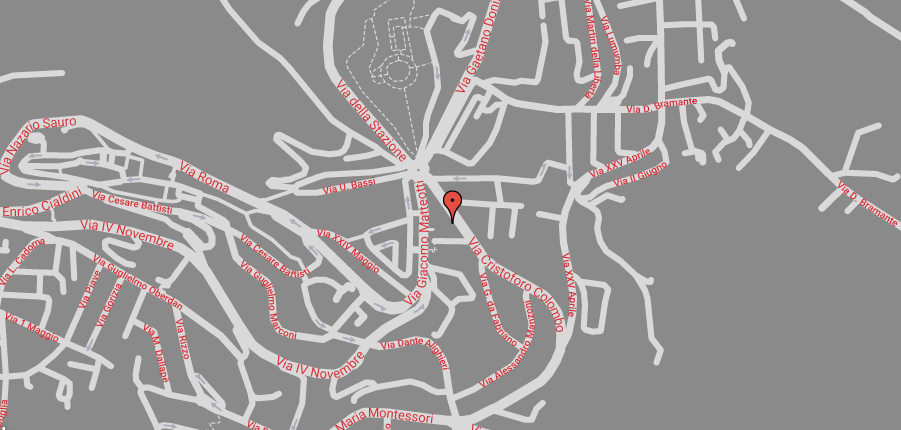
I think Guerrini no longer exist.
Be carefull NOT to follow the old domain name guerriniaccordions.it as it contains harmful website redirection.
They where based in California and Castelfidardo.
Maybe you can try to reach Sonola accordions since this was once Guerrini’s brand.
http://www.sonola.it
regards
I have an Aurati Castelfidardo Italia Accordion returned to me-from my elderly Uncle-the accordion was my fathers who was killed in WW2
ISSUE-I live in New South Wales Australia-the accordion is with my niece in Essex UK I have not seen the accordion-however I wish to have restored and sent to me.
The Accordion was purchased about 1938 in London-never played-
Can you let me know what company would restore either in near London or maybe you know a business here in NSW
Any assistance would be wonderful
Kind Regards
Mike
Hi Serif,
Sorry I can’t help you for I don’t know of any accordion shop in either London or NSW.
Do a Google search like: “accordion repair London”, “Accordion tuning London”, “accordion tuning New South Wales”, “accordion tuning Australia”, etc.
Good luck!
Mario
Hello Mario,
Did you pay attention to the Paolo Soprani diatonics? I’m very interested in their Lutos model, know much about it?
All the best
Y
Paolo Soprani apart from the name, it is not what it used to be.
Nothing compared to the original Paolo Soprani.
Just middle of the line quality.
The best Diatonics are Castagnari.
regards
Thank you
Mario,
Did you organise your visits to the manufacturers or are most of them open to visitors who come along to their factories/showrooms?
Thank you,
Pat
Hi Pat,
No meeting taken in advance. Just drop by and they will help you.
Unless you have very specific technical stuff you want to discuss, there will always be somebody to help you.
The only thing you need to prepare is some kind of map to plan your manufacturer tour.
Good luck.
Hi i have a working accordion made by PASQUALE FICOSECCO IN CASTELFIDARDO. It is a button modal with 8 bass buttons, Could you please tell me anything about this company. Best Regards John Marshall.
Hi John,
You have an historic patrimoine in your hands.
Pasquale Ficosecco was part of the Italian makers that made the accordion what it is today.
He founded his accordion manufacture in Loreto in 1889 and later moved to Castelfidardo.
It’s probably a hand made accordion.
It is worth about $700USD.
Must have a nice and powerful sound too.
I was familiar with Crown Accordions from Chicago was founded in the 1950s by Tony Serbellini (who had previously co-founded Imperial), Geramia Georgietti and Oswaldo Guerrini.
Can you tell me what factory in Italy made the accordions that Crown Sold in the Mid-1960’s? I have two Crown accordions which I prize and would just love to know!
I look forward to your reply!
Regards,
Jim Polaski
Hi M. Polaski,
Unfortunately, I can’t tell which of the Castelfidardo’s factory made Crown accordions in the 50s and 60s.
Can’t you see somewhere on the accordion body a mention like “Made in Castelfidardo” or “Made in Stradella”?
regards
A few years ago, I have a friend of mine give me this accordian. Its beautiful for sure. I in turn gave this to my father and he was excited since he plays in church. Since the years take a toll on the human body, my father has decided this is too heavy for him to handle and playes a smaller accordian as well at the piano in his church. I honestly had forgotten about the instrument until this weekend, my father returned this to me. I know nothing about these, since I play guitar and that holds my interest. I would like to know where this instrument came from. It looks more a artwork to me with all the wood work involved. I am honestly more afriad to touch it cause I don’t want to mess it up.
Hi Nathan,
You can venture inside the accordion without messing anything if you go easy and take you time to understand how it works by carefully looking.
In a near future, I will finish my accordion tuning/repair primer so you will have a good tutorial to start.
Good luck.
I have a Brandoni Kingline cassoto, I am seeking information on this instrument. Can you help me with this?
Hi Nathan,
The Kingline cassoto from Brandoni a among the top models.
A very high quality instrument mostly hand made.
Enjoy it.
Mario,
Your efforts provide a real benefit to me. I was searching for a new accordion, contemplating various brands, and wondering how, short of travel to Italy, I might make comparisons. Some of the accordion dealers produce videos of their instruments, but the recordings were so poorly produced I could discern nothing of the instrument’s tonal quality. I had liked the look of the Brandoni, but did not like the sound I heard until I discovered your web site. Your recordings encouraged me to give it more consideration. You also introduced me to a French maker, Maugein, of which I had never heard. In fact your voyage to France and Italy inspires me to do something similar one day. So, for all of that information and inspiration it seems a small thing to write to say thank you.
All the Best,
Monty